AI Research
Research-driven reporting, benchmark breakdowns, paper explainers, and AI research tools.


Get the weekly brief on what AI is changing, why it matters, and what to do next.
AI research moves fast, but most reporting on it strips away the methodology. This topic keeps the evidence, the benchmarks, and the limitations in view.
Research claims shape funding, product launches, and policy narratives. If the evidence is weak or misread, the downstream conclusions are weak too.

Coverage

Cognitive Offloading Has a Price: 10 Minutes of AI Help Made People Give Up Faster
A Berkeley-led study of 1,222 people is the clearest causal evidence yet on whether AI is making us dumber. The answer is more specific, and more useful, than yes or no.
Topical Authority in ChatGPT: Most Categories Still Have No Brand Owner
A study of 1,094 categories found a clear brand owner in only 15% of them, and classic SEO metrics barely predicted who won. Here's how to claim one before a competitor does.
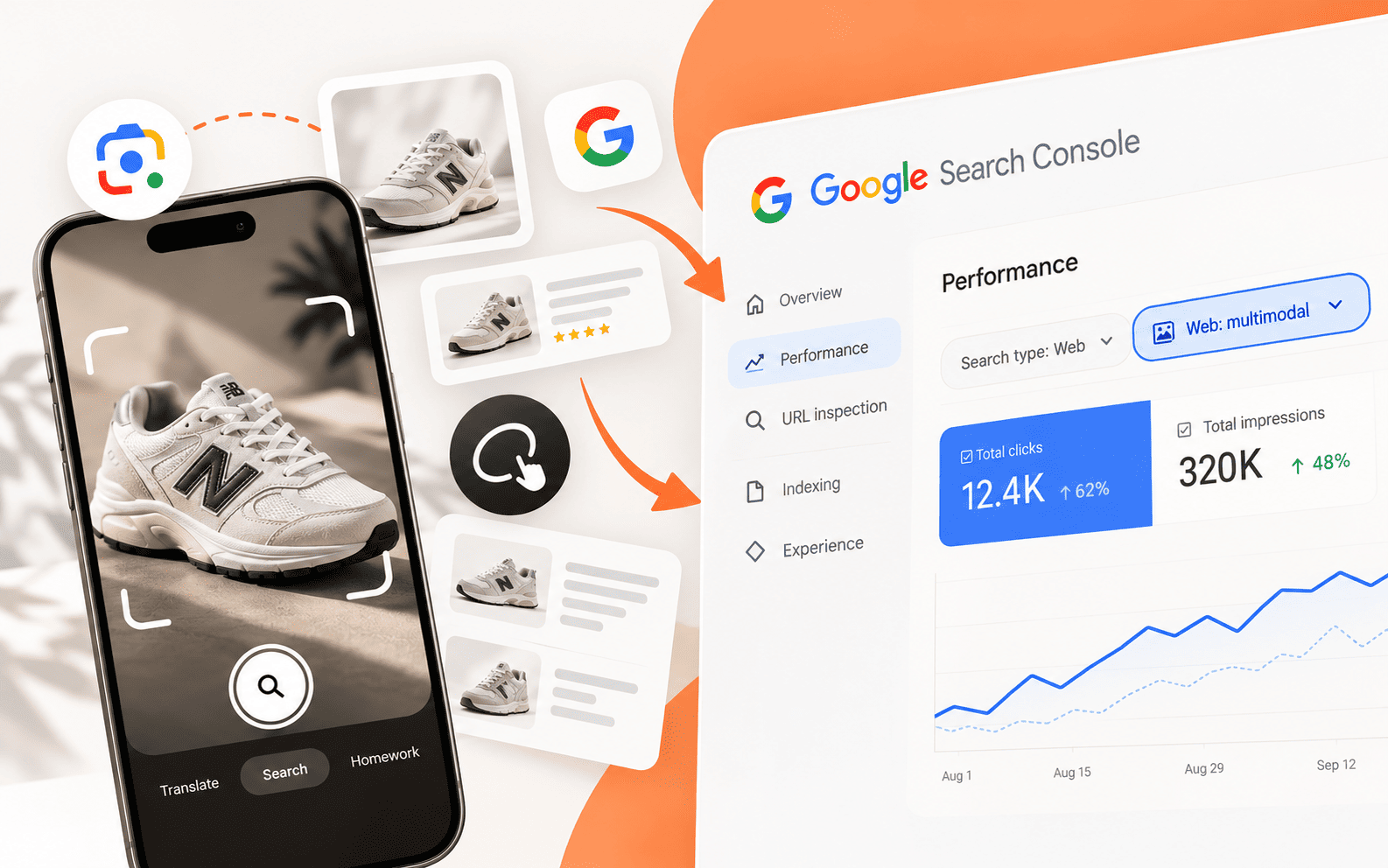
Visual Search Finally Shows Up in Search Console, Minus the Queries
Google now separates Lens and Circle to Search traffic from regular web results. The report shows which pages won but never what people photographed, so the analysis has to start from the page.
AI Share of Voice: How to Measure Brand Visibility When Every Answer Changes
ChatGPT almost never gives the same list of brands twice. A 70,000-response study shows why single screenshots mislead, and which rates hold up in a report.

Answer Engine Optimization Now Means Covering the Searches You Never See
Google's own research describes how AI search splits one prompt into many smaller queries. A rankings report only shows you the first one.
OpenAI's Jalapeño Chip Wants to Rewrite the Economics of AI Inference
First benchmark results claim big gains over Nvidia's Blackwell chips, but the comparisons are OpenAI's own, and the real payoff for API customers is still 12 to 18 months out.
Chinese AI Models Are Now Over 100x Cheaper Than Anthropic
DeepSeek V4-Flash costs about 105x less per benchmark task than Claude Fable 5, while Alibaba's Qwen3.5 Flash is more than 170x cheaper on output tokens. The gap is turning inference cost into a competitive weapon.
GEO Has a Measurement Problem, Not a Hack Problem
A new critical survey of AI search research undercuts most of the tactical playbook. For US growth teams, the real decision is who owns measurable answer engine optimization, not who knows the next formatting trick.

Anthropic Moves From AI Research Tools Into AI Drug Discovery
Claude Science and an internal drug pipeline put Anthropic on both sides of the biopharma transaction, and directly in the path of Isomorphic Labs and OpenAI

Which Jobs Are Safest and Riskiest From AI? The Most Authoritative Research of 2026
Anthropic, Goldman Sachs, the WEF, and the IMF have all released major findings this year. Here is what the data actually says about who is exposed, who is protected, and what is already happening.

Claude Opus 4.7 vs GPT-5.5: The Honest Flagship Breakdown
Both dropped within seven days of each other in April 2026. Here's what the benchmarks, pricing, and real-world tests actually show.
Practical guides
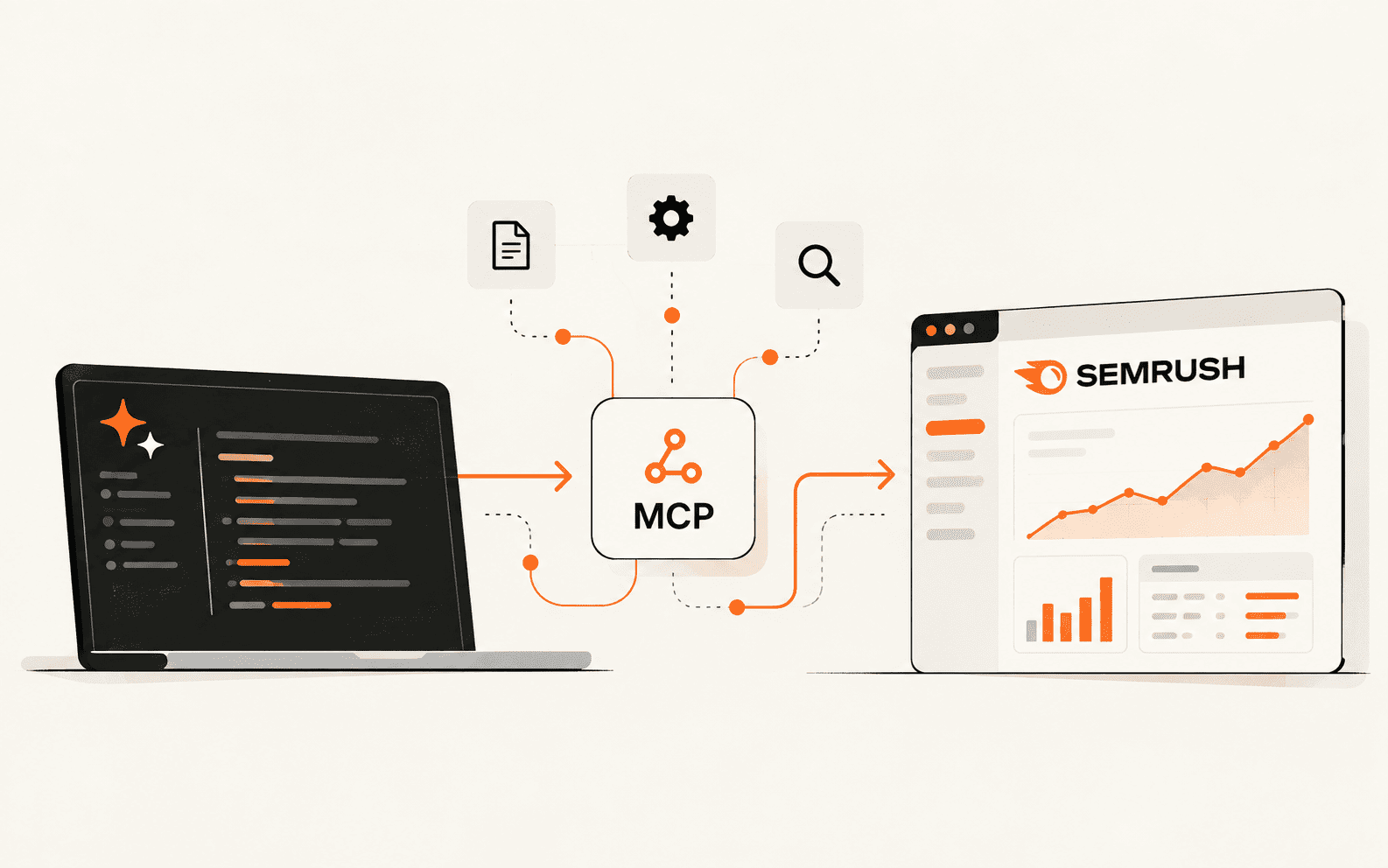
How to Set Up and Use Semrush MCP for SEO Research in Claude
Connect Semrush to Claude, run a first query you can verify, and turn keyword research into one repeatable prompt.
How to Use NotebookLM for Research and Study
Build a source-grounded research notebook, then turn it into notes, explanations, and practice questions.

Best AI Tools for Students in 2026
An honest comparison of NotebookLM, Claude, Perplexity, Grammarly, and Notion AI, and which one actually earns a place in your workflow.
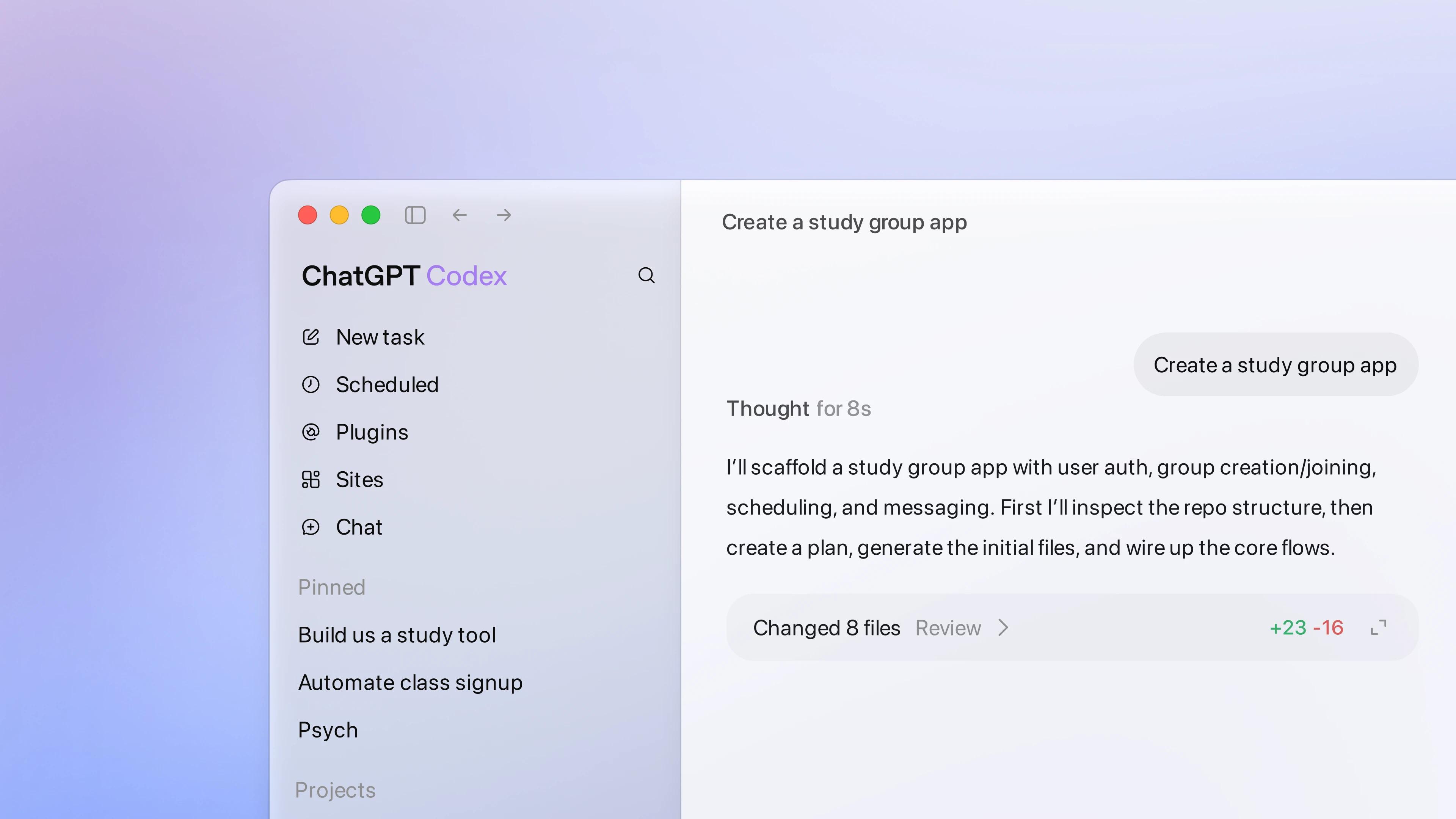
How to Fix Codex Usage Limits: 7 Token-Saving Methods, Verified
Seven popular Codex token-saving tricks, checked against benchmarks and OpenAI's own docs, so you know which ones actually move the needle.

How to Set Up Hermes Agent: The Self-Improving AI That Runs 24/7
Install Nous Research's open-source autonomous agent locally or on a VPS in under 20 minutes, complete with model setup, Telegram gateway, and code snippets
Tools to evaluate

Clay
Clay is a go-to-market data platform that works like a spreadsheet for building and enriching prospect lists. It pulls contact and company data from 150+ providers, chaining them in waterfalls so a later source is tried only when an earlier one finds nothing. Its AI research agent, Claygent, can browse the web to fill in custom fields, and higher plans sync results to a CRM.


Claude
Claude is Anthropic's AI assistant for writing, analysis, research, and coding, available on web, desktop, and mobile. It can read long documents and files, search the web, run code to create files, and connect to work apps through connectors. Paid plans add Claude Code for software work, deeper research, and Claude in Chrome and Microsoft 365.

Julius AI
Julius AI is a data analysis assistant that lets you upload spreadsheets or connect data sources and ask questions in plain English. It writes and runs Python or R code behind the scenes, then returns charts, tables, and written explanations. You can inspect the generated code, and higher plans add live database connectors and team workspaces.


NotebookLM
NotebookLM is Google's source-grounded research assistant, powered by Gemini, that answers questions strictly from documents, websites, and videos the user uploads. It generates outputs like audio overviews, video overviews, slide decks, infographics, mind maps, and study guides from those sources, with inline citations back to the original material. A June 2026 update added agentic source discovery and a secure code-execution environment per notebook.


Meta AI
Meta AI is Meta's free consumer AI assistant, embedded in WhatsApp, Instagram, Messenger, and Facebook, with a standalone app and web experience at meta.ai. It handles chat, web-connected question answering, and image generation, and is also the assistant behind Ray-Ban Meta glasses. As of 2026, Meta has begun shifting the assistant from its open-weight Llama models toward Muse Spark, a new closed-weight model from Meta Superintelligence Labs.


Mindgrasp
Mindgrasp is an AI study tool that converts uploaded lectures, PDFs, videos, audio, and YouTube links into structured notes, summaries, flashcards, and quizzes. It includes an AI tutor for asking questions about uploaded material and integrates with Canvas, Blackboard, and other LMS platforms through a Chrome extension.


Midjourney
Midjourney is an AI image and video generator that turns text prompts into artistic visuals through its web app. It is built by a small, self-funded research lab and is known for a distinctive, painterly aesthetic rather than strict photorealism. The tool also supports image-to-image references, character consistency, and short video animation from generated stills.


Semrush
Semrush is a digital marketing platform built around keyword research, competitor analysis, site audits, and backlink tracking. It pulls from a large proprietary database covering billions of keywords and domains, and recently expanded into AI search visibility tracking across tools like ChatGPT, Google AI Overviews, and Perplexity. Adobe completed its acquisition of Semrush in April 2026. The platform is organized into separate toolkits for SEO, content, advertising, social, local, and AI visibility, which can be purchased individually or bundled.


ChatGPT
OpenAI's conversational AI assistant covering writing, coding, research, and agentic tasks across a free tier and multiple paid plans.


Gemini
Google's multimodal AI assistant with native integration across Gmail, Docs, Drive, and Sheets, and a 1M token context window on paid plans.


Perplexity
An AI-powered search engine and research tool that provides conversational answers with cited sources, changing how we discover information.
The AI brief for builders, operators, and leaders
Follow the AI developments reshaping work and the world, with practical context for what to do next.